Ventric Health Resources Hub
Your destination for evidence-driven heart failure decision support.
Our resources hub is designed to help you make informed decisions with evidence organized around real-world impact. You’ll discover peer-reviewed research, clinical validation, workflow insights and economic evidence around the questions decision-makers face.
Filter by topic or content type to quickly find the information most relevant to your role, setting and priorities. For additional information about the Vivio System, browse our FAQs.


Peer-Reviewed Clinical Evidence for the Vivio System
Explore peer-reviewed research and multicenter clinical studies validating the Vivio System. Learn how non-invasive brachial cuff-ECG sensing accurately detects elevated left ventricular end-diastolic pressure (LVEDP) to support earlier heart failure diagnosis and improved patient outcomes across primary care and population-health settings.

Why SGLT2 Inhibitors May Work Within Days in Heart Failure
New research may help explain why SGLT2 inhibitors can benefit people with heart failure so quickly. Researchers found that these medications activate PANK1, an enzyme that boosts energy production in heart cells—potentially improving the heart’s ability to contract and relax within days of treatment.
What JACC’s New Report Tells Us About a Widening Gap in Heart Failure Care
Heart failure mortality is rising. JACC Cardiovascular Statistics in the United States, 2026, is the American College of Cardiology’s first attempt at a comprehensive, annually recurring benchmark of U.S. cardiovascular health. It’s a sobering read. After decades of steady progress against heart disease, the report finds that gains are slowing across nearly every major condition — and in some cases, reversing outright.

Early Heart Detection: Vivio Clinician Guide
Download our Clinician Onboarding Guide to earn how to implement rapid, non-invasive LVEDP measurement at the point of care with the Vivio System. This clinician onboarding guide explores the challenges of late-stage heart failure diagnosis and how Vivio overcomes traditional limitations to accurately identify HFpEF earlier in primary care.
Webinar Recording: Heart Failure Management for PCPs
A panel of industry experts to explore diagnostic and management challenges of heart failure from a primary care perspective. This 45-minute video offers actionable insights and best practices for managing newly diagnosed Stage B and Stage C heart failure patients directly in your clinic, including effective treatment and referral options.

International Consensus Redefines Heart Failure Diagnosis
The 2026 AHA/ACC/ESC/WHF consensus redefines heart failure diagnosis, placing elevated cardiac filling pressure at the center of diagnostic criteria across all stages. The updated guidelines formally recognize non-invasive measurement of filling pressure as confirmatory evidence—even when biomarker levels are normal. By renaming Stage B to "pre-HF," the consensus highlights a critical shift toward earlier detection within primary care settings.
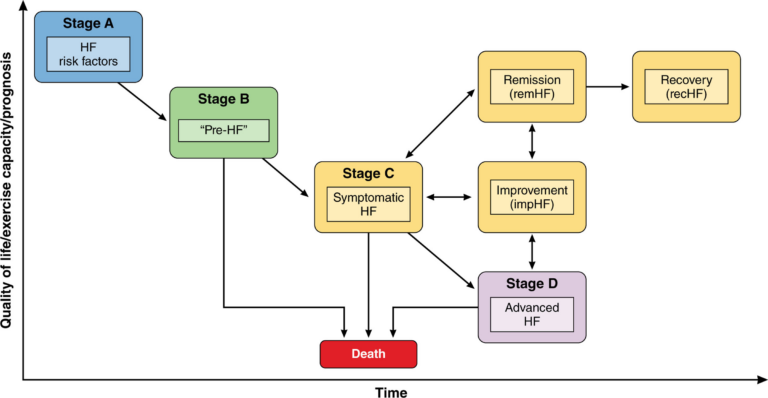
New Global Consensus Redefines Heart Failure for Earlier Detection
A new international consensus from the AHA, ACC, ESC and World Heart Federation updates how heart failure is defined and classified, introducing a standard classification of causes, replacing rigid ejection-fraction cutoffs with actionable categories, and emphasizing earlier identification of at-risk patients. Published in Circulation, JACC, European Heart Journal and Global Heart; it will anchor the next AHA/ACC HF Guideline, due late 2027.
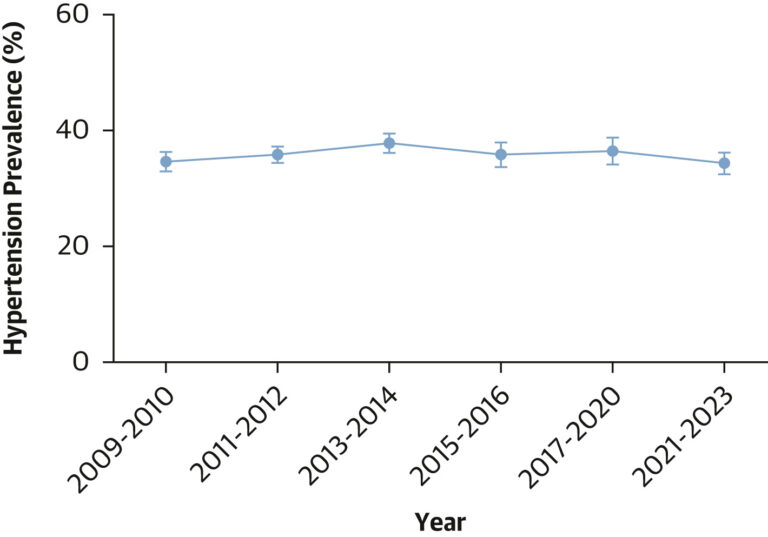
New JACC Report: U.S. Heart Disease Progress Is Stalling
JACC's inaugural 2026 Cardiovascular Statistics report finds hypertension, diabetes and obesity remain widespread, with prevention and treatment gaps persisting. Long-term mortality gains for coronary disease, heart failure, PAD and stroke are slowing or reversing, and disparities by race, geography and income remain stark. The annual benchmark is meant to guide clinical practice and policy and will recur yearly.
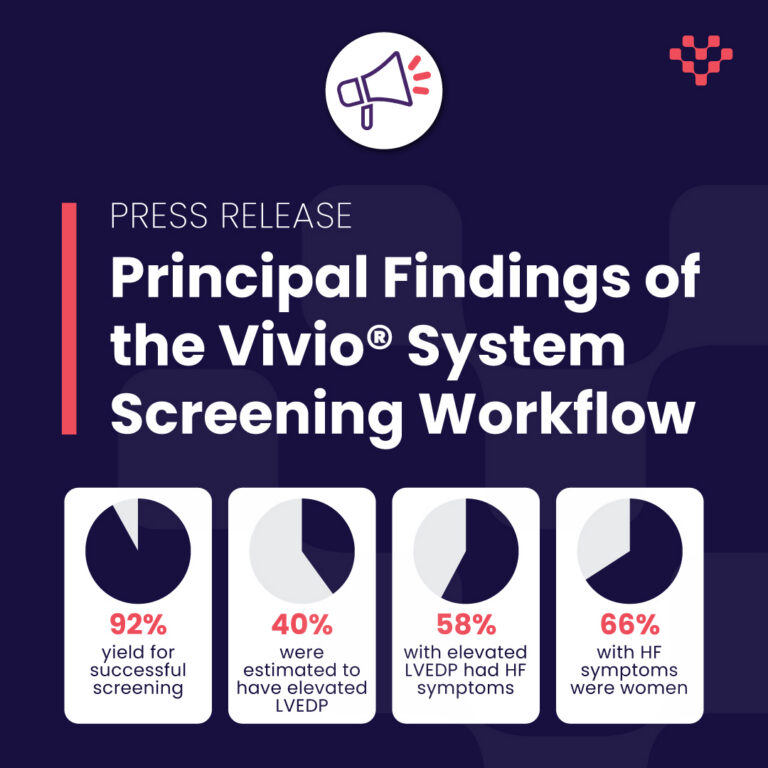
New Peer-Reviewed Study Underscores Vivio’s Clinical Utility
The publication of a new multicenter study in the journal Physiological Measurement reveals that Ventric Health’s Vivio® System demonstrates high scalability and operational feasibility for population-level heart failure screening. The paper underscores the clinical utility of using the Vivio System within a dedicated, high-throughput “heart health clinic” to capture hidden cardiovascular disease in at-risk populations.

NOW AVAILABLE: Patient Education Toolkit About the Vivio Test
Use Vivio’s patient education toolkit to create a simple, consistent experience that supports informed conversations about heart failure evaluation. This collection of patient-facing materials explains what Vivio is, why it matters, and how it fits into the journey from concern to care in a simple, approachable way. Take a closer look at what’s available for immediate downloading from the Vivio test Patient Education Toolkit.
How Vivio Brings Non-Invasive Heart Failure Detection to Primary Care
VentricHealth’s Vivio System is a rapid, FDA-cleared, non-invasive test that identifies elevated LVEDP at the point of care. The brochure positions Vivio as a way to detect heart failure earlier, improve provider decision-making, and support better patient outcomes and cost savings in primary care.

Vivio Guide Maps HF Detection and Management Pathway
This resource outlines Vivio’s five-step pathway for identifying at-risk patients, assessing symptoms and filling pressures, supporting diagnosis, and guiding GDMT-based management in primary care. It also emphasizes why resting echocardiography can miss early HF and positions the workflow as an evidence-aligned care guide.